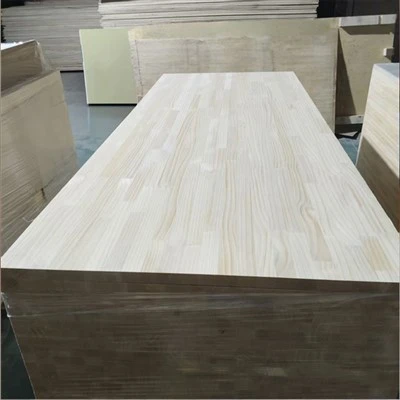
In the fields of interior decoration and furniture manufacturing, multi-layer solid wood panels and solid wood boards are two common substrates, differing significantly in structure, performance, and applicable scenarios.
I. Composition and Characteristics of Multi-layer Solid Wood Panels
Multi-layer solid wood panels (also known as plywood) are made by cross-laminated layers of wood veneers, approximately 1 mm thick, bonded together under high temperature and pressure. Typical production processes include: rotary cutting or slicing of logs, veneer drying, gluing and assembly, hot pressing, cutting, and surface treatment.
This type of panel has the following characteristics:
1. Stable structure, not easily deformed or cracked due to humidity changes;
2. High load-bearing capacity, suitable for structural components;
3. Smooth surface, compatible with various finishing processes;
4. High production efficiency and relatively controllable cost.
Currently, multi-layer solid wood panels are widely used in custom furniture, interior decoration, and flooring subfloors, and are a commonly used material in modern industrial furniture production.
II. Material and Characteristics of Solid Wood Boards
Solid wood boards are made from whole logs through sawing, drying, and planing processes. Common woods include oak, walnut, and cherry.
The main characteristics of this material are:
1. Natural wood grain and texture, with high aesthetic appeal;
2. Solid and durable material;
3. No added adhesives, good environmental performance;
4. Relatively traditional processing techniques, requiring high-quality wood.
Solid wood boards are mostly used in mid-to-high-end furniture, solid wood flooring, and decorative components where a natural texture is highly desired.
III. Comparison of Main Differences
1. Stability: Plywood has better dimensional stability due to its cross-linked structure; solid wood boards may expand or warp in environments with significant temperature and humidity changes.
2. Cost: Plywood has relatively low production costs and a high cost-performance ratio; solid wood boards are generally more expensive due to the high requirements for raw materials.
3. Environmental Friendliness: Solid wood boards are made from pure natural materials; plywood requires adhesives, but environmentally friendly products that meet national standards can meet daily use requirements. 4. Decorative Effect: Solid wood boards have a natural and unique grain; multi-layer solid wood boards can simulate various wood grain effects through surface finishing processes.
5. Processing Performance: Multi-layer solid wood boards are easy to process mechanically, such as cutting and edge banding; solid wood boards require higher processing standards and need careful anti-deformation treatment.
IV. Material Selection Recommendations
When selecting materials, it is recommended to consider the following factors:
1. If you value natural texture, have a sufficient budget, and the usage environment is stable, solid wood boards can be selected;
2. If you prioritize cost-effectiveness, stability, and batch processing needs, multi-layer solid wood boards are more suitable;
Regardless of the material chosen, you should pay attention to the product's environmental protection level, moisture content, and production process, and prioritize qualified products that meet national standards.