


Products Description
Rubber wood finger jointed planks
| Products name | Ruber finger-jointed planks | Grade | AA, Ab, Bb, Bc |
| Model NO. | JCA102 |
Usage | Outdoor, Indoor |
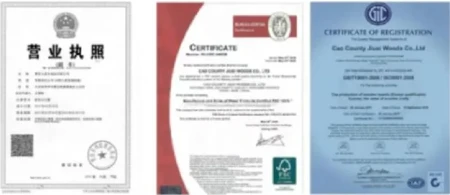
| Certification | ISO9001, SGS | Wood Type | Rubber wood |
| Density | 600-650kg/M3 | Specification | 1220*2440mm /Customerized Size |
| Color | Natural Wood Color | Sizes | Produced as Customized |
| Inspection | Strict Quality Control One Piece by One Piece | Application | Furniture, Decoration,Construction,etc |
Products Show


Certificates

Products Application


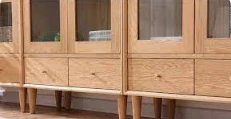
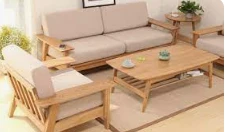
With the development of the furniture market, rubber wood is increasingly being used in furniture, flooring, wood core boards, etc. Rubber wood has a light color, beautiful texture, small shrinkage, moderate density, and good mechanical processing and finishing properties. Although rubber wood is not as good as oak, it is several levels better than other man-made boards. Rubber wood still has the characteristics of solid wood, which is healthy, environmentally friendly, and formaldehyde-free. Moreover, the finished furniture is affordable and can be accepted by the majority of middle-income groups.
Rubberwood finger-jointed boards are an interesting choice for woodworking and furniture making. Rubberwood, also known as parawood, is harvested from rubber trees that are no longer productive for latex. It's a sustainable material with a relatively light color and smooth texture.
Finger-jointing refers to a woodworking technique where the ends of the boards are joined using interlocking finger-like cuts. This method increases the surface area for adhesive, enhancing the strength of the joint and allowing for the use of shorter, potentially less stable wood pieces. The result is a long, continuous board that's more stable and less likely to warp or crack.
Here are some key points about rubberwood finger-jointed boards:
1.Sustainability: Using rubberwood is environmentally friendly as it makes use of trees that are no longer productive for latex.
2.Stability: Finger-jointing helps to minimize issues like warping and cracking, which is useful for creating large panels from smaller, less stable pieces of wood.
3.Appearance: Rubberwood has a fairly uniform appearance, though it can be stained or finished to enhance its look. The finger joints can be visible, which some may find aesthetically appealing while others might prefer a seamless appearance.
4.Applications: These boards are often used in furniture making, cabinetry, and other woodworking projects where stability and durability are important.
5.Finishing: Rubberwood typically takes stains and finishes well, but it's important to properly seal it to protect against moisture.
Overall, rubberwood finger-jointed boards offer a practical and eco-friendly option for many woodworking applications.
Compan Profile

Working Process

packging&shipping

FAQ

Hot Tags: rubberwood finger-jointed planks, China rubberwood finger-jointed planks suppliers, manufacturers, factory, Paulownia Wood Edge Glued Panels, Breaking Boards, Paulownia Wood For Coffins


